Ningaloo: A Handwritten Font with Editorial Grace
There’s something about the moment you choose a font that sets the tone for an entire project. I was recently redesigning the header for a lifestyle blog, and as I scrolled through font options, Ningaloo caught my eye. It wasn’t just another script font—it had a rhythm, a softness, and a quiet elegance that felt like it belonged in the margins of a handwritten journal or the title of a personal letter.
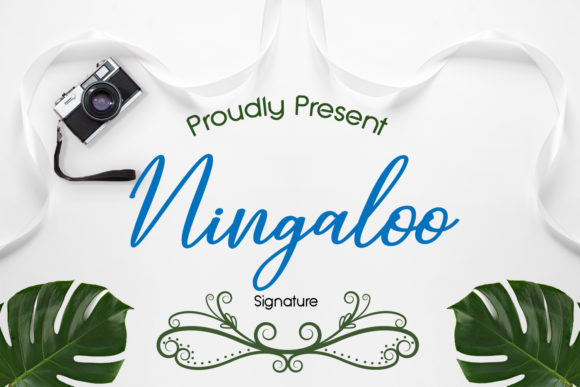
Ningaloo is a stylish and incredibly elegant handwritten font. Its character lies in the gentle curves and subtle flourishes that give it a personal touch without overwhelming the reader. Unlike some script fonts that feel too whimsical or difficult to read, Ningaloo strikes a balance between artistry and clarity. It has a natural flow that feels inviting, making it ideal for editorial projects where the voice matters as much as the message.
A Font That Speaks to the Mood
In the context of a digital magazine layout, I tested Ningaloo as the main title font for a feature on mindfulness and wellness. The font’s soft edges and flowing lines created a calm, meditative mood that aligned perfectly with the content. It didn’t shout; it whispered, which made readers pause and engage more deeply with the piece.
When used for pull quotes, Ningaloo added a layer of intimacy. One quote from a featured interview stood out in particular—“In stillness, we find our strength”—and the font wrapped around it like a gentle embrace, reinforcing the message’s emotional weight.
Its visual character also makes it a great fit for chapter openers in a coaching workbook or section headings in a printable planner. It adds a sense of warmth and approachability, which is especially useful for content aimed at readers seeking guidance or inspiration.
Readability and Practicality in Design
While Ningaloo excels in expressive design elements, it’s important to consider its practical applications. For screen reading, especially on mobile layouts, it performs well when used in larger sizes for headlines or titles. However, it may not be suitable for dense paragraphs or small captions where legibility is critical. In print materials, it maintains its charm but should be paired carefully with a more structured typeface for body copy.
I found that pairing Ningaloo with a clean sans serif font like Helvetica or a modern serif like Georgia created a balanced contrast. This combination worked particularly well for a recipe ebook I designed, where the title used Ningaloo and the ingredient lists relied on a readable base font. The result was both visually appealing and easy to navigate.
For those looking to use Ningaloo in digital downloads or client publications, it’s essential to check the included styles, alternates, ligatures, weights, and multilingual support. The font comes with a range of stylistic variations that allow for creative flexibility while maintaining consistency across different editorial formats.
Where Ningaloo Shines Brightest
Ningaloo is best suited for decorative accents, titles, subtitles, pull quotes, and cover text. It brings a unique personality to editorial designs without compromising readability. For instance, in a wedding guide, using Ningaloo for the cover title and section headers created a cohesive and romantic aesthetic that resonated with the target audience.
It also works beautifully in newsletter graphics, where it can be used sparingly to highlight key messages or add a personal touch to a branded header. When applied to a course PDF or a printable planner, it enhances the overall design by reinforcing a sense of creativity and individuality.
However, it’s worth noting that Ningaloo isn’t ideal for long-form content or formal reports. Its expressive nature may make it challenging to read in extended passages. Instead, save it for moments that call for emphasis, storytelling, or a touch of elegance.
As a designer, I’ve come to appreciate how fonts like Ningaloo shape the reader’s experience. They don’t just communicate information—they create emotion, set expectations, and build connections. Ningaloo does all of this with grace, making it a valuable addition to any editorial toolkit.