Vintage Diary Font for Timeless Branding
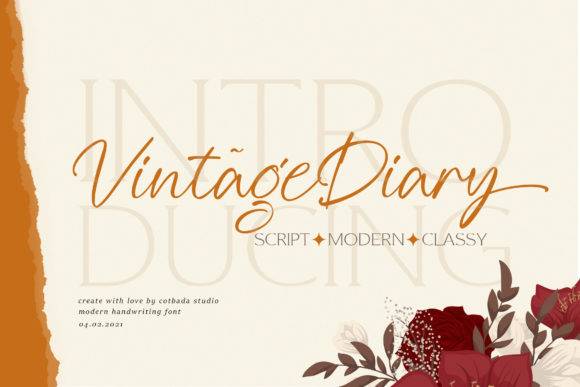
As a small business owner, I’ve learned that every detail matters when it comes to building a strong brand identity. From logos to packaging, the right font can make all the difference in how your business is perceived. That’s where Vintage Diary, a handwritten script font from Script Amp, comes in. It adds a personal, elegant touch that feels both classic and modern.
Vintage Diary has a warm, relaxed feel that makes it perfect for businesses looking to convey a sense of charm, authenticity, and creativity. Its soft curves and natural flow give it a handcrafted look that’s ideal for branding materials that need to stand out while feeling approachable.
Real-World Applications for Vintage Diary
I’ve used Vintage Diary across various parts of my brand, and it’s become a go-to choice for several key design elements. Here are some practical ways to incorporate this font into your business:
- Logos: A custom logo with Vintage Diary can give your brand a unique signature that’s easy to recognize. It works especially well for boutique shops, cafes, or creative services like coaching or event planning.
- Business Cards: These little cards are often the first impression a customer gets. Using Vintage Diary on your name or tagline adds a personal, professional flair that stands out in a stack of generic cards.
- Product Labels and Packaging: Whether you sell handmade candles, baked goods, or skincare products, Vintage Diary brings a nostalgic charm to your labels and boxes. It helps create a cohesive look that customers will remember.
- Social Media Graphics: Instagram posts, Pinterest pins, and Facebook ads benefit from eye-catching text. Vintage Diary is great for headlines, captions, or quotes that want to feel personal and inviting.
- Website Banners and Headers: Your website needs to reflect your brand personality. Using Vintage Diary in headers or banners can help maintain consistency between your online presence and physical materials.
When to Use Vintage Diary in Your Branding
Knowing when to use a font like Vintage Diary is just as important as choosing the right one. This script font works best as a display font or headline typeface rather than for long blocks of text. For example, you might use it for your logo or tagline but pair it with a clean sans serif font for body copy to ensure readability.
If you're designing a menu for your café, using Vintage Diary for the title and a simple serif font for the food items creates a balanced, professional look. Similarly, for an online shop, you could use it on product titles or promotional banners while keeping descriptions in a more readable format.
Readability and Practical Considerations
While Vintage Diary is beautiful, it's important to consider its readability in different contexts. Because it’s a script font, it may not be the best choice for small text sizes or low-resolution prints. Always test it on your materials before finalizing—especially if you’re using it on product labels or social media thumbnails where clarity is key.
For digital use, I recommend checking how it looks on mobile screens since many customers will view your content on their phones. A quick test in different sizes and backgrounds can help avoid any unexpected issues.
Font Pairing Tips for Small Businesses
Pairing fonts can elevate your design work without overwhelming your audience. When using Vintage Diary, I find that pairing it with a clean sans serif font like Helvetica or Arial gives a nice contrast. The decorative script adds character, while the sans serif keeps things modern and legible.
Another option is to use Vintage Diary alongside a traditional serif font like Georgia or Times New Roman for a more classic, refined look. This combination works well for printed materials like thank-you cards or invitations.
Remember, the goal is to create harmony in your design. Don’t overcomplicate things—stick to two or three fonts max for consistency across your brand.
Choosing the Right Font for Your Business
Before using Vintage Diary for commercial purposes, make sure you have the correct licensing. Many fonts require a commercial license if you plan to use them on products, packaging, templates, or client projects. Check the terms from Script Amp to ensure you’re using it legally and confidently.
Testing is also essential. Create mockups of your branding materials with Vintage Diary and see how they look in real life. Get feedback from friends, colleagues, or even your target audience to ensure it aligns with your brand’s voice and values.
In the end, Vintage Diary isn’t just a font—it’s a tool that can help your business feel more connected, consistent, and trustworthy. Whether you're launching a new product line or revamping your website, the right typography can make a lasting impression on your customers.